Goodwill is a gift, not a capacity plan

Lappeenranta, Finland. Gelateria Marina Vallongo
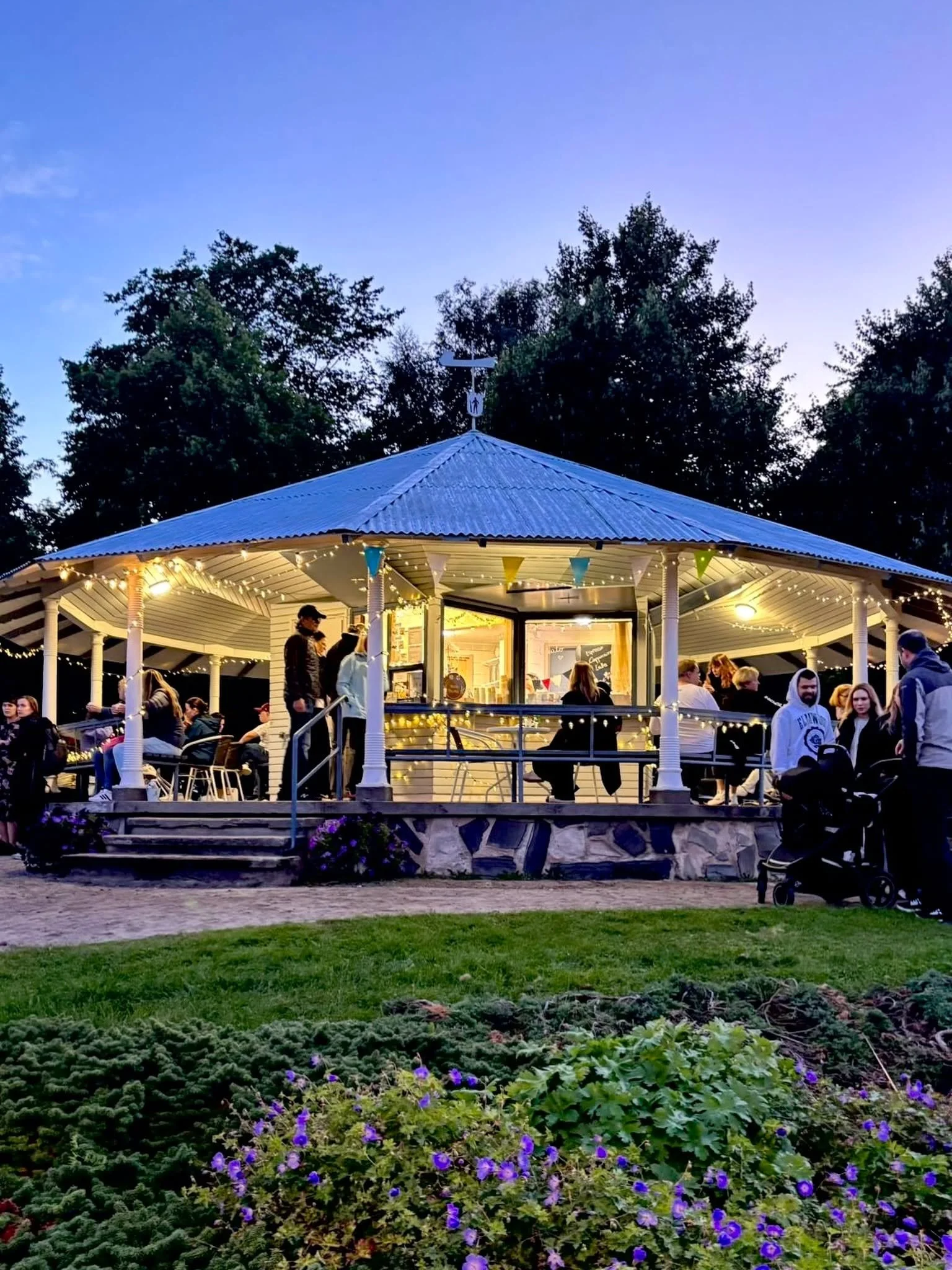
I enjoyed a fabulous gelato this summer while in Lappeenranta, Finland. Gelateria Marina Vallongo opened a seasonal kiosk at the harbour, and our good friends took us there for a treat.
And it got me thinking. Our friends love Marina’s gelato, and it felt a little like they wanted to support her summer kiosk by taking us there. And it could go further. For example, if the kiosk wasn’t doing as well as Marina had hoped (I don’t for a minute think that was the case), perhaps they might feel obliged to go and buy gelato more frequently, perhaps every day. You can imagine that by the end of the summer they might be buying gelato even when they didn’t really want one because they felt obliged to support her initiative. They might even have gone off it completely.
Now I’m not saying any of that happened, or is true, and I think it helps to explain how goodwill has a capacity limit.
Most organisations I work with rely on goodwill. You probably have them in your organisation. The person who stays until something is sorted. The one who picks something up because nobody else has. The one you know you can rely on.
There’s actually a name for this – it’s called Organisational Citizenship Behaviour (OCB) –where conscientious team members go above and beyond what is required of them because they want to help out. Sometimes, it’s because they feel ‘trusted’ to do so, and so they are motivated for positive reasons to give more. However, over time and for various reasons, that can become what’s called compulsory citizenship behaviour. That sense that an employee feels pressurised or obliged to perform. Perhaps it’s picking up extra work after a restructure, or fixing problems that occur so as not to let the customer down, or doing that ‘thing’ that they see needs doing and nobody else seems to think matters.
Eventually, it can get to a point where they think to themselves ‘I’ll just sort it’ and before you know it they are invisibly dealing with all sorts of workarounds and nobody even realises. I had an example of this during the Covid pandemic when a client put 80% of its staff on furlough and a few months down the line realised they hadn’t billed around £750,000 of jobs. The reason? They were ‘stuck’ in the system, because the person that had been quietly nursing jobs through the system, fixing data when they got stuck, had been put on furlough. The business thought it had a functioning process, what it actually had was a functioning person.
One day you notice that something’s changed. Someone who was always willing seems less engaged. Mistakes start happening, they get frustrated, they leave or burn out. And leaders can interpret this as a change in the person, without considering whether the organisation has spent years drawing on a finite resource.
This phenomenon also has a name - citizenship fatigue. It’s a cycle that looks like this I want to help → they know I'll help → they expect me to help → I feel I have to help
And there’s evidence of a strong association between burnout and spending time on work that shouldn’t have existed in the first place.
There’s a concept known as illegitimate tasks – tasks that are either unreasonable – something someone doesn’t think are part of their role, or unnecessary – tasks that shouldn’t need doing at all.
And to be clear, unnecessary tasks are things like, the spreadsheet someone has to manipulate every month. The information entered multiple times. The workaround everyone knows. The system that requires someone to manually check what it should have got right.
When we are thinking about productivity it can be dangerous to plan our capacity around goodwill. Goodwill is a gift, not a capacity plan. When your operating model relies on discretionary effort, you don’t really know how much capacity you have.
If this has made you wonder whether some of the capacity in your organisation is real capacity, or people quietly compensating for the way work gets done, that's one of the productivity illusions worth looking for.
“What would need to change before your most relied-upon people stopped feeling responsible for holding things together?”
Join me for The Productivity Illusion, a free 45-minute webinar where we’ll explore what might really be consuming capacity in your organisation, why being busy isn’t the same as being productive, and what you can do about it.